Different settings. Site-specific thinking.
The same service label can mean very different requirements on a construction site, at a remote camp or across several operating locations.
Plan around access, rotations and critical work.
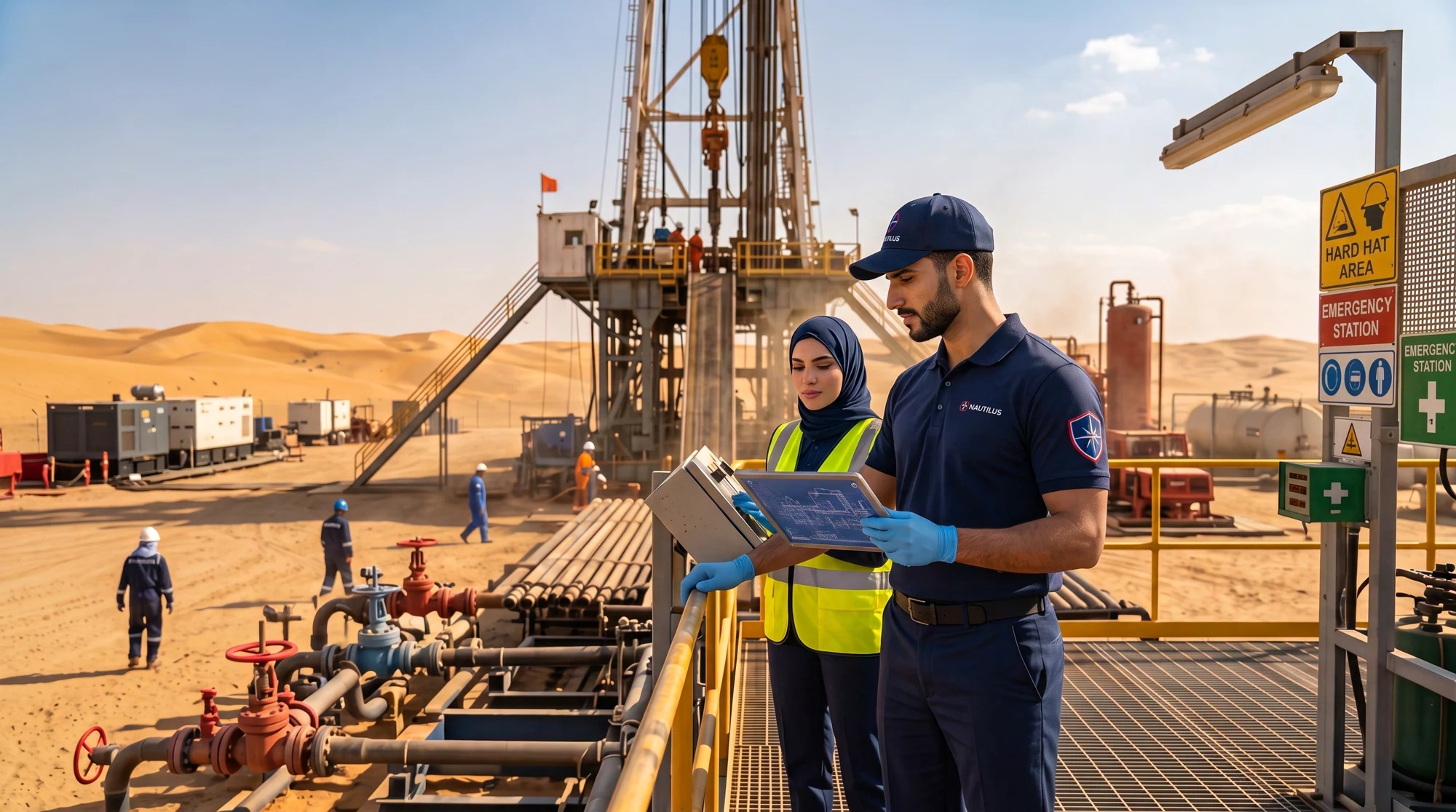
Energy operations can combine remote locations, demanding roles and tightly coordinated work programmes. Offshore deployment adds considerations around access, medical suitability and transfer arrangements.
Medical planning should account for routine workforce care as well as shutdowns, commissioning and other activities that change the risk profile. The model needs to connect with the operation’s emergency arrangements and the external resources available to it.
- Workforce rotations and changing activity levels
- Practical limits of ground or air access
- Role-specific and offshore medical requirements
- Medical coverage during shutdowns and commissioning
Connect camp care with the wider site.
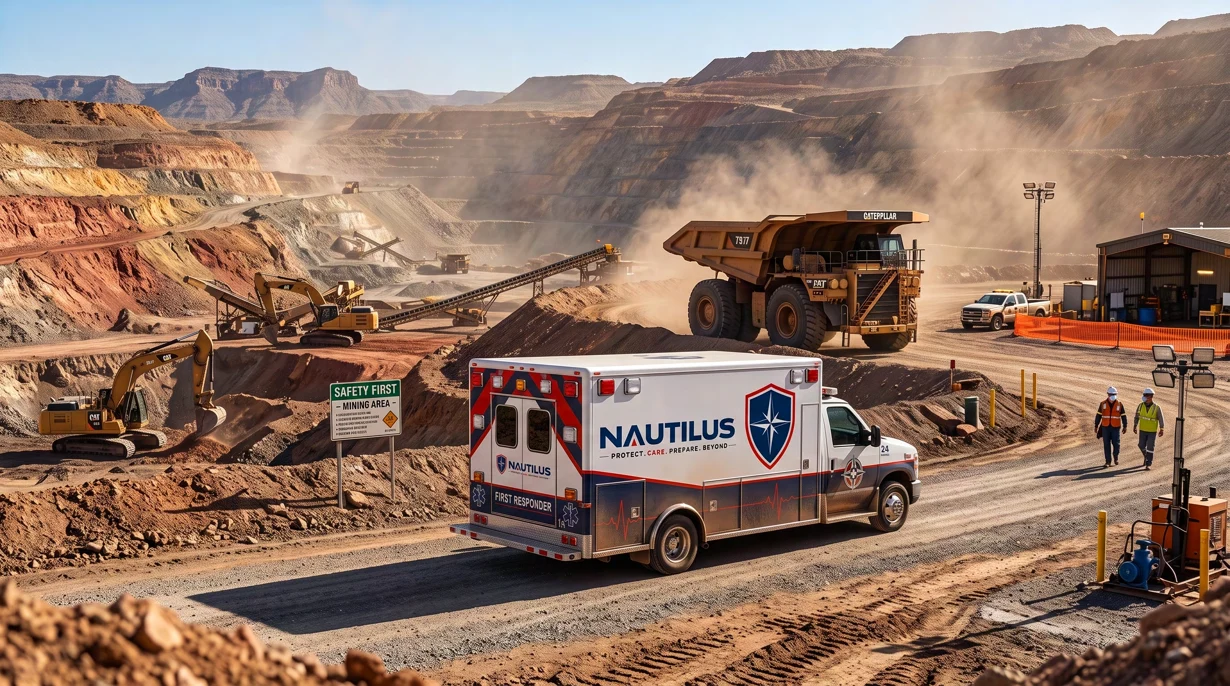
Resource projects may bring work areas, accommodation, transport routes and medical facilities across a large footprint. Distance from external healthcare makes the connection between onsite care and referral planning especially important.
The brief should consider workforce demographics, occupational exposure and safety-critical roles. Clinic resources and medical supplies need to reflect how the site operates over time.
- Camp and worksite access to clinical care
- Heavy-equipment and safety-critical role requirements
- Hazard-linked health surveillance
- Stock, replenishment and referral constraints
Let the medical plan reflect the project phase.
A construction project changes as it progresses. Workforce numbers grow or contract, work fronts move and access arrangements evolve. Medical coverage needs to be considered alongside those changes.
Planning brings together treatment posts, clinic capability, response arrangements and external referral routes. The brief should reflect the tasks underway and the coordination required across the site.
- Workforce ramp-up and phase-by-phase changes
- Moving work fronts and access to treatment
- Higher-risk activities and project milestones
- Coordination across medical, HSE, security and operations
Understand each location. Connect the overall plan.
Remote projects may rely on several camps, facilities or operating locations. Healthcare resources available at one location may differ significantly from those at another.
A connected model considers each site’s needs while defining how communication, referral support, medical supplies and reporting work across the project. Local context remains important at every location.
- Workforce and clinical needs at each site
- Variation in local healthcare and referral capability
- Communication between operating locations
- Supply routes and site-specific response plans
Start with the site.
Tell us about the location, people and work involved. We can explore which requirements are shared and which need a site-specific approach.